
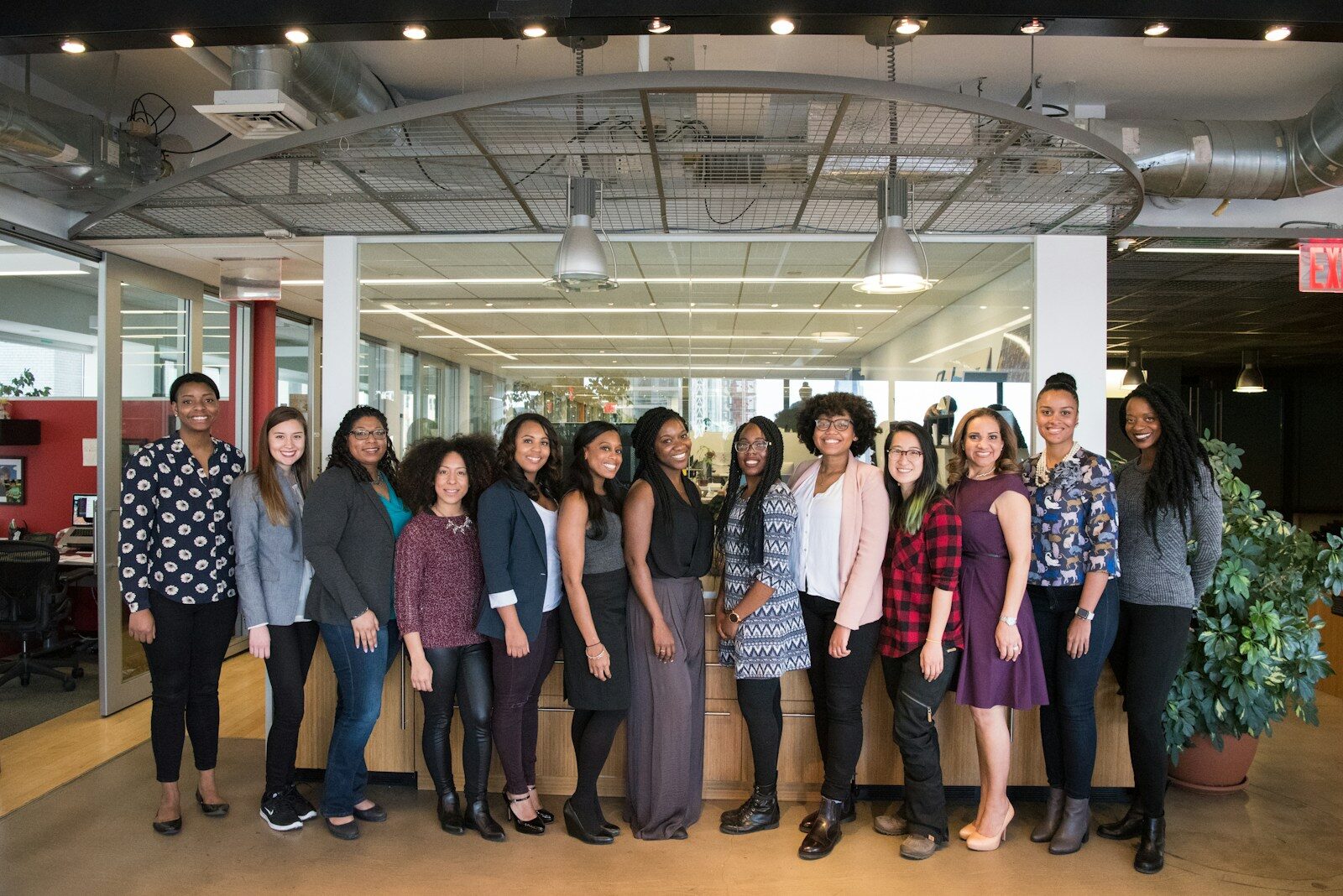
Women, minorities, and veterans face unique challenges in accessing business capital — and unique programs exist to address those gaps. From SBA-backed initiatives to dedicated CDFIs to private grants, the landscape of women, minority, and veteran business loans includes resources that most entrepreneurs don’t know about. This guide maps every major program, lender, and resource for underrepresented business owners.
Programs for Women-Owned Businesses
SBA Women’s Business Centers (WBCs)
Over 140 WBCs nationwide https://www.sba.gov/local-assistance/find?type=Women%27s%20Business%20Center provide free business advising, training, and capital access assistance specifically for women entrepreneurs. WBCs help with loan applications, financial planning, and connecting with lenders who prioritize women-owned businesses.
SBA Women-Owned Small Business (WOSB) Federal Contracting
The WOSB program https://www.sba.gov/federal-contracting/contracting-assistance-programs/women-owned-small-business-federal-contracting-program sets aside certain federal contracts for women-owned small businesses. Certification opens doors to government revenue that strengthens loan applications.
IFundWomen
A comprehensive platform https://ifundwomen.com offering grants, coaching, and crowdfunding for women entrepreneurs. Their Universal Grant Application connects women founders with hundreds of grant opportunities through a single submission.
Amber Grant Foundation
Monthly $10,000 grants https://ambergrantsforwomen.com for women-owned businesses with a $25,000 annual grand prize. Simple application with no fee.
WBENC Certification
The Women’s Business Enterprise National Council https://www.wbenc.org provides certification that opens doors to corporate supplier diversity programs — companies actively seeking women-owned vendors.
Programs for Minority-Owned Businesses
Minority Business Development Agency (MBDA)
A federal agency https://www.mbda.gov dedicated to minority business growth. MBDA Business Centers across the country provide consulting, capital access, and contracting assistance. They help minority entrepreneurs access SBA loans, connect with investors, and scale their businesses.
SBA 8(a) Business Development Program
The 8(a) program https://www.sba.gov/federal-contracting/contracting-assistance-programs/8a-business-development-program provides a 9-year business development program for socially and economically disadvantaged businesses. Participants access sole-source federal contracts, mentorship, and management assistance.
National Minority Supplier Development Council (NMSDC)
NMSDC https://nmsdc.org certifies minority-owned businesses and connects them with corporate members seeking diverse suppliers. Certification unlocks procurement opportunities with major corporations.
Accion Opportunity Fund
A CDFI https://www.opportunityfund.org specifically focused on underserved entrepreneurs including minorities. Loans from $5,000 to $250,000 with flexible underwriting and business coaching.
DreamSpring
A multistate CDFI https://www.dreamspring.org with strong focus on minority entrepreneurs. Microloans and small business loans with culturally relevant support.
Programs for Veteran-Owned Businesses
SBA Veterans Advantage
SBA fee relief programs for veteran-owned businesses reduce or eliminate SBA guarantee fees — saving thousands on loans. The SBA’s Office of Veterans Business Development https://www.sba.gov/business-guide/grow-your-business/veteran-owned-businesses coordinates all veteran small business programs.
SBA VBOC (Veterans Business Outreach Centers)
22 VBOCs nationwide https://www.sba.gov/local-assistance/find?type=Veterans%20Business%20Outreach%20Center provide free business advising, training, and capital access specifically for veterans, service members, and military spouses.
Service-Disabled Veteran-Owned Small Business (SDVOSB)
Federal contracting set-asides for service-disabled veteran-owned businesses. Certification through the SBA opens doors to sole-source and competitive contracts reserved for SDVOSB firms.
Boots to Business
SBA program providing entrepreneurship training for transitioning service members and their spouses. Available through the Department of Defense’s Transition Assistance Program.
StreetShares Foundation
Awards grants specifically for veteran entrepreneurs through competitive programs. The Veteran Small Business Award provides $15,000 in funding.
Universal Resources for All Underrepresented Founders
Several programs serve all underrepresented groups. Kiva https://www.kiva.org/borrow provides 0 percent interest microloans with no credit score minimum — particularly valuable for founders building credit. The SBA Community Advantage program enables CDFIs to make SBA-backed loans to underserved communities. SCORE mentorship https://www.score.org is free for all entrepreneurs and has chapters nationwide.
Women, minority, and veteran business loans are increasingly accessible as both government and private sector expand dedicated programs. The key is knowing these resources exist and applying early — many programs have limited funding that gets allocated on a first-come basis.
The SBA’s resource finder https://www.sba.gov/local-assistance/find is the best starting point for locating WBCs, VBOCs, SBDCs, and SCORE chapters near you.
Frequently Asked Questions
Q: Do women, minority, or veteran-owned businesses get better loan rates?
A: Not automatically lower rates, but access to dedicated programs, fee waivers, grants, and CDFIs that serve these communities specifically. SBA veteran fee relief directly reduces costs.
Q: Do I need certification to access these programs?
A: Some programs require certification (8(a), WOSB, SDVOSB). Others like CDFIs, WBCs, and VBOCs serve you without certification.
Q: Can I use multiple programs simultaneously?
A: Yes. A veteran-owned minority business could access SBA veteran benefits, MBDA resources, CDFI lending, and federal contracting set-asides simultaneously.
