
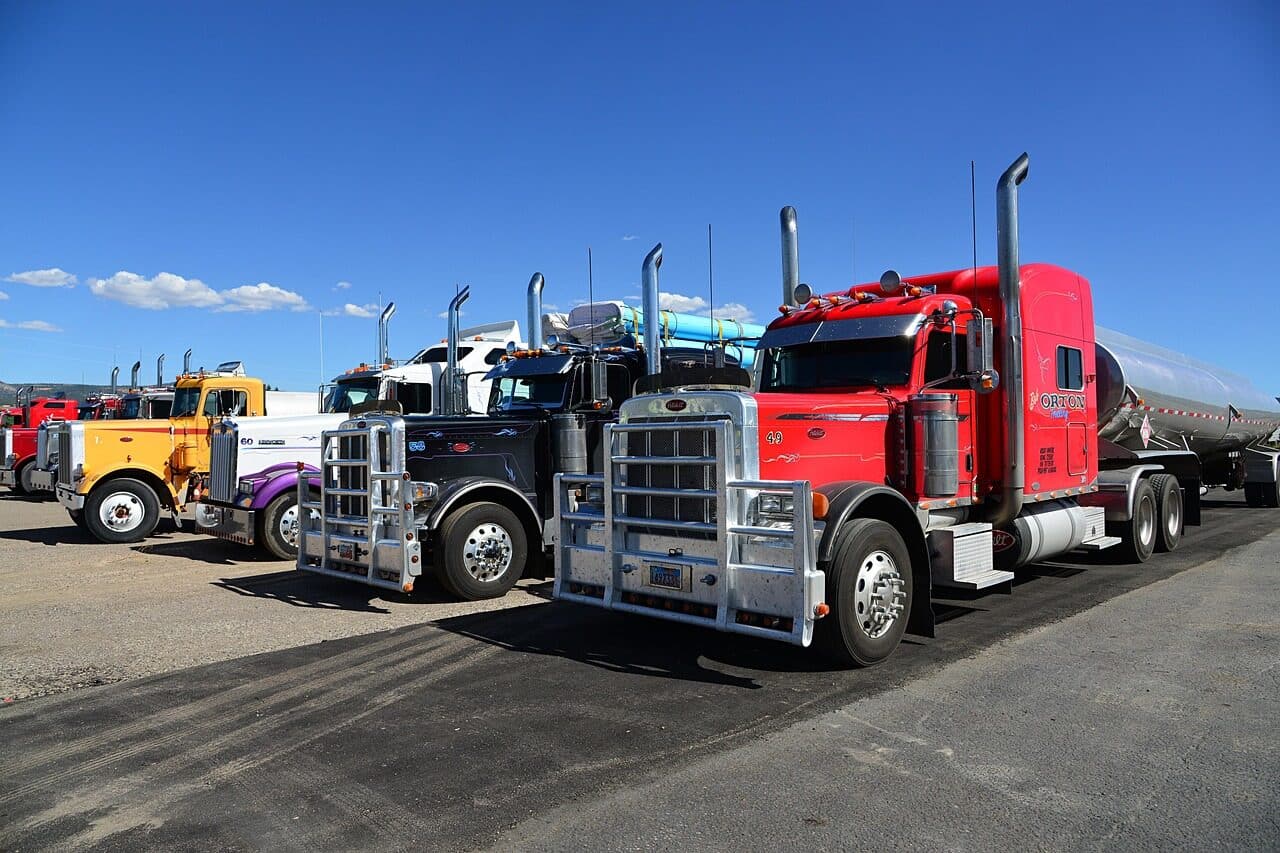
The trucking industry runs on capital. A single new semi-truck costs $150,000 to $200,000, trailers add another $30,000 to $80,000, and insurance, fuel, and maintenance create constant cash demands. Whether you’re an owner-operator buying your first rig or a fleet owner expanding operations, trucking business loans are the engine that drives growth in this $900 billion industry.
The Unique Financial Profile of Trucking
Trucking is one of the most equipment-dependent industries in the economy. Unlike a software company that can scale with laptops, every dollar of trucking revenue requires a physical truck on the road. This equipment intensity creates both a challenge (high capital needs) and an advantage (trucks serve as excellent collateral).
Lenders also understand that trucking generates predictable revenue. Freight demand remains strong through economic cycles, and contract-based trucking provides reliable income streams. The American Trucking Associations https://www.trucking.org reports consistent driver shortages, meaning qualified owner-operators rarely struggle to find loads.
Best Loan Types for Trucking Businesses
Commercial Truck Financing
The most common trucking business loan. Specialized truck lenders finance 80 to 100 percent of a truck’s purchase price with the vehicle as collateral. Rates range from 5 to 15 percent APR depending on credit, the truck’s age, and whether it’s new or used. Terms of 3 to 7 years. Lenders like TAFS https://www.tafs.com and Truck Lenders USA specialize exclusively in this space.
SBA 7(a) Loans
Ideal for larger fleet purchases, facility acquisitions, or working capital. Up to $5 million with terms of 10 to 25 years. SBA loans offer the lowest rates but require extensive documentation and 2+ years of operating history. The SBA’s Transportation Industry Guide is available through your local SBDC https://www.sba.gov/local-assistance/find.
Equipment Leasing
Lease-to-own arrangements keep monthly payments lower than purchase financing. At the end of the lease, you can buy the truck at residual value. This works well for owner-operators who want to preserve cash for fuel, insurance, and maintenance during the early stages.
Freight Factoring
Trucking companies frequently use invoice factoring to convert unpaid freight invoices into immediate cash. Instead of waiting 30 to 90 days for brokers and shippers to pay, you sell the invoice to a factoring company and get 90 to 97 percent of the value within 24 hours. OTR Solutions https://www.otrsolutions.com and RTS Financial are major players in freight factoring.
Fuel Cards and Lines of Credit
Fuel is a trucker’s largest ongoing expense. Fleet fuel cards like Comdata and EFS offer volume discounts and credit terms. A business line of credit provides flexible cash access for fuel, repairs, and permits between payment cycles.
Requirements for Trucking Loans
Standard requirements include a personal credit score of 600+ (some truck-specific lenders accept lower), a valid CDL and DOT number, FMCSA operating authority https://www.fmcsa.dot.gov/registration, proof of commercial truck insurance, and a down payment of 10 to 20 percent for truck purchases.
Startup owner-operators face tighter requirements. Most lenders want at least one year of CDL experience, even if your trucking business is brand new. Having freight contracts or load board relationships (DAT, https://www.dat.com strengthens your application by demonstrating revenue potential.
New vs Used Truck Financing
New trucks offer better financing terms — lower rates, longer terms, and manufacturer warranties. A new Class 8 truck costs $150,000 to $200,000 but comes with the latest fuel efficiency and emissions technology. Used trucks cost $40,000 to $100,000 but may require more maintenance and shorter financing terms.
Most trucking business loans for used vehicles require the truck to be under 7 to 10 years old and under 500,000 miles. Lenders discount the collateral value of older trucks, which may require a larger down payment.
Frequently Asked Questions
Q: Can I get a truck loan as a new owner-operator?
A: Yes. Many truck-specific lenders work with first-time owner-operators who have CDL experience and a reasonable credit score. Expect to put 15 to 20 percent down.
Q: What credit score do I need to finance a semi-truck?
A: Specialized truck lenders may approve scores as low as 550 to 600. Bank loans and SBA loans require 650+.
Q: Is freight factoring worth the cost?
A: For trucking companies waiting 30 to 90 days for payment, factoring at 2 to 5 percent per invoice is often cheaper than the cash flow problems caused by delayed payments.
