
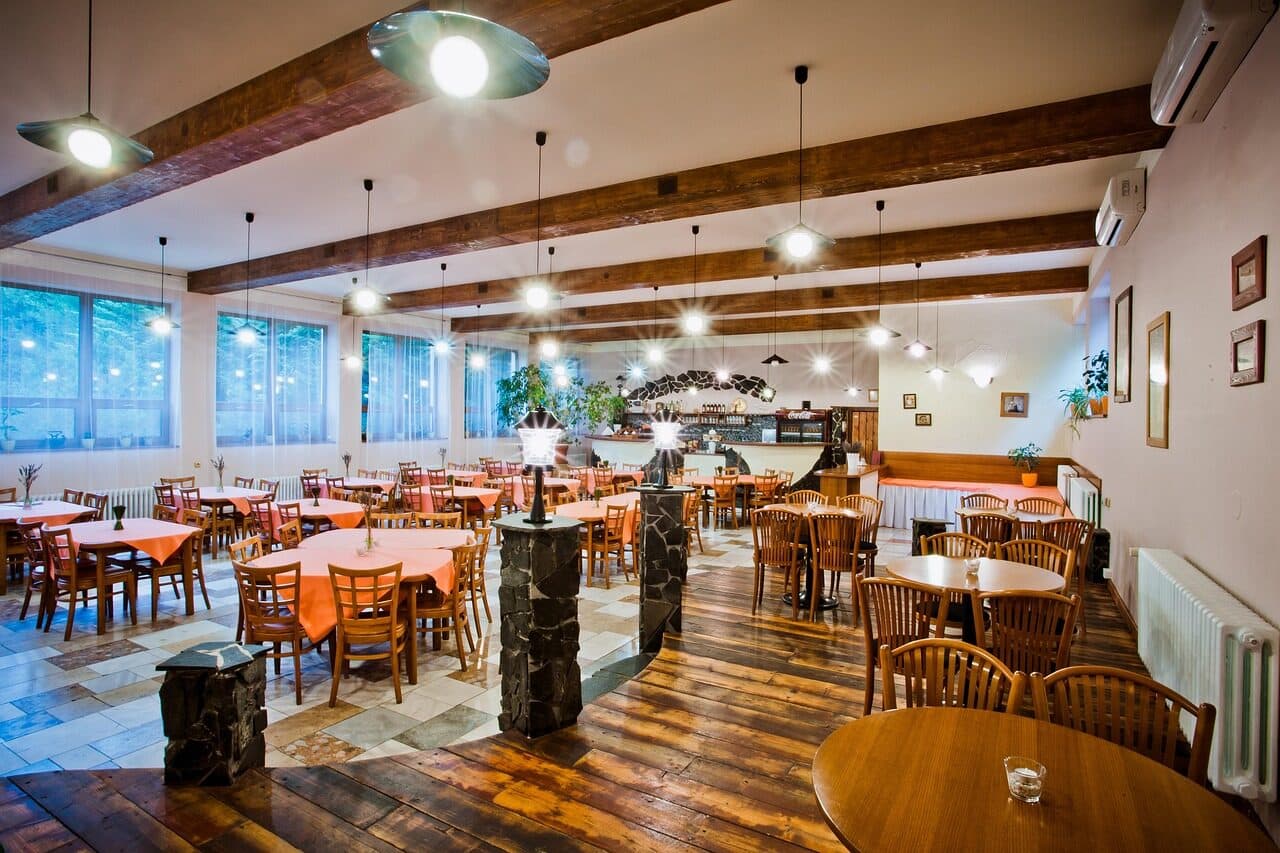
Running a restaurant is one of the most capital-intensive small businesses in America. Between kitchen equipment, buildout costs, inventory, staffing, and the constant need for working capital, restaurants burn through cash faster than almost any other industry. Finding the right business loans for restaurants means understanding which products match the unique financial rhythms of food service — seasonal revenue, thin margins, and equipment-heavy operations.
Why Restaurant Financing Is Different
Restaurants face lending challenges that most industries don’t. Profit margins average just 3 to 9 percent, making lenders nervous about repayment capacity. Revenue fluctuates seasonally and weekly — Fridays are booming while Tuesdays are dead. Failure rates are high — roughly 60 percent of restaurants close within the first year according to data from the National Restaurant Association https://restaurant.org.
These factors make traditional banks cautious. But the restaurant industry’s $1 trillion annual revenue and essential role in every community means plenty of lenders specialize in food service financing. The key is targeting them.
Best Loan Types for Restaurants
SBA 7(a) Loans
The gold standard for established restaurants. Use funds for buildouts, equipment, acquisitions, or working capital. Rates of 10.5 to 15.5 percent with terms up to 25 years for real estate and 10 years for working capital. Requires 2+ years in business and strong financials. Apply through SBA Lender Match https://www.sba.gov/funding-programs/loans/lender-match.
Equipment Financing
Commercial ovens, refrigeration, POS systems, fryers, and exhaust hoods are expensive. Equipment loans cover 80 to 100 percent of the cost with the equipment as collateral. Rates of 6 to 16 percent, terms of 3 to 7 years. Easier approval than unsecured loans because the lender can repossess the equipment.
Business Lines of Credit
Essential for managing the cash flow swings every restaurant experiences. Draw funds for inventory, payroll during slow weeks, or unexpected repairs. Pay interest only on what you use. Keep a line of credit open at all times — it’s your financial safety net.
Merchant Cash Advances (Use Cautiously)
MCAs are popular in food service because approval is based on daily credit card sales, which restaurants generate in volume. Funding in 24 to 48 hours. But effective APRs of 40 to 150 percent make MCAs the most expensive option. Use only for genuine emergencies when cheaper alternatives aren’t available.
Restaurant-Specific Lenders
Companies like ARF Financial and Credibly specialize in restaurant lending. They understand seasonal revenue patterns, evaluate POS data instead of just tax returns, and structure repayment around your cash flow cycles. The Restaurant Finance Monitor https://www.restfinance.com tracks industry-specific lending trends.
How Much Funding Do Restaurants Typically Need?
Startup costs for a new restaurant range from $175,000 to over $750,000 depending on concept, location, and size. Full-service restaurants average $375,000 to open. Fast-casual concepts are lower at $200,000 to $350,000. Food trucks start at $50,000 to $200,000.
For existing restaurants, common funding needs include kitchen equipment upgrades ($20,000 to $100,000), dining room renovations ($30,000 to $150,000), second-location expansion ($150,000 to $500,000), and working capital for seasonal gaps ($10,000 to $50,000). Business loans for restaurants should be sized to the specific need — over-borrowing eats into already thin margins.
What Lenders Look For in Restaurant Applications
Beyond standard business loan requirements, restaurant lenders focus on several industry-specific factors. Daily credit card and POS sales volume demonstrates consistent revenue better than monthly bank statements. Food cost ratios should be 28 to 35 percent of revenue — higher signals poor management. Labor costs should be 25 to 35 percent of revenue. Your lease terms matter enormously — a short-term lease is a red flag because the lender’s collateral (your buildout) is tied to the location.
Most lenders also want to see your health department inspection scores, liquor license status, and any outstanding tax liens. The SBA’s restaurant industry guide https://www.sba.gov/business-guide/plan-your-business/market-research-competitive-analysis provides additional resources for building a strong application.
Tips to Improve Your Approval Odds
Separate business and personal finances completely — commingled accounts are a common reason restaurants get denied. Use restaurant-specific accounting software like MarketMan or Restaurant365 https://www.restaurant365.com to produce clean financials. Build a 13-week cash flow forecast showing how you’ll handle slow seasons. If you’re a startup, a detailed business plan with a menu cost analysis and competitive positioning is essential.
Consider joining your state restaurant association — many have lending partnerships and group-rate financing programs for members.
Frequently Asked Questions
Q: What credit score do I need for a restaurant loan?
A: SBA and bank loans require 650+. Online lenders accept 580+. Equipment financing may approve 550+ with strong revenue.
Q: Can I get a loan to open a restaurant with no experience?
A: It’s difficult. Most lenders want to see industry experience. Partnering with an experienced chef or manager strengthens your application significantly.
Q: How long does it take to get a restaurant loan?
A: Online lenders: 1 to 5 days. SBA loans: 30 to 90 days. Equipment financing: 3 to 10 days.
